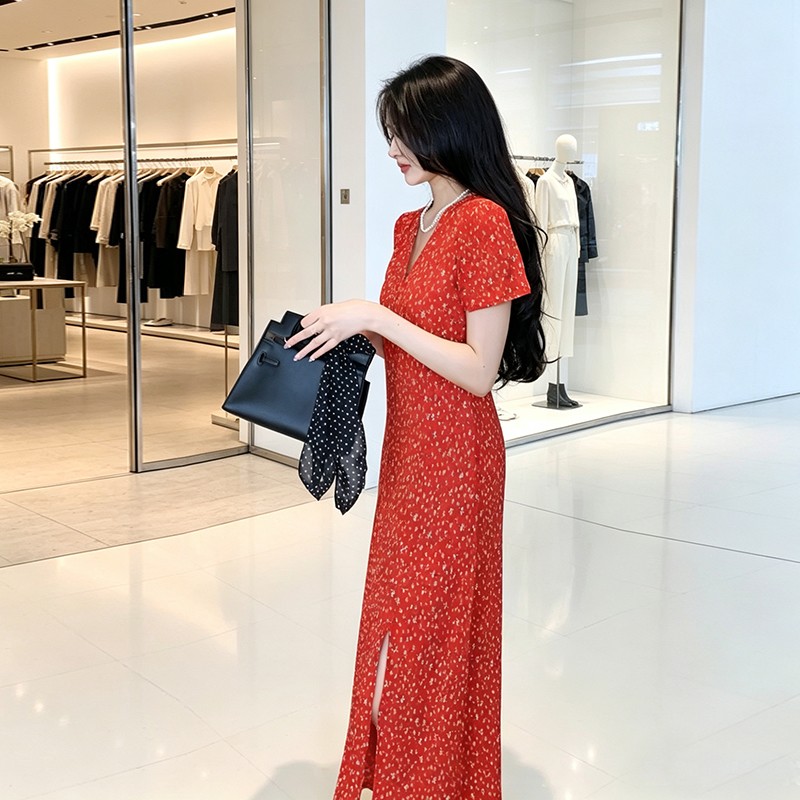
Two dresses at the same price can behave completely differently after ten washes, and the difference is almost always the fabric. This guide explains what the fibre names on a label actually mean, which fabrics suit which climates, and how to care for each so the garment keeps its shape.
What does a fabric label actually tell you?
It tells you the fibre composition by percentage — for example 95% cotton, 5% elastane. The percentages matter more than the names: a garment that is 60% cotton and 40% polyester behaves differently from one that is 95% cotton, even though both say “cotton” on the front. A small percentage of elastane changes how a garment stretches and recovers. Read the percentage line, not just the fibre list.
What is the difference between natural and synthetic fibres?
Natural fibres — cotton, linen, silk, wool — come from plants or animals. They breathe well, feel good against the skin, and usually wrinkle. Synthetic fibres — polyester, nylon, acrylic — are made from petrochemicals. They are strong, resist wrinkles, dry quickly, and hold odour more than natural fibres do. Most everyday clothing blends the two to get the advantages of each.
Which fabrics suit hot weather?
Linen is the most breathable and dries fast, though it creases. Cotton is the familiar choice and works well in a light weave. Viscose and rayon drape beautifully and feel cool, though they are weaker when wet. Avoid heavy polyester in heat — it traps moisture and holds smell. A loose cut in a light natural fibre beats a tight cut in a technical one for everyday hot weather.
Which fabrics suit cold weather?
Wool insulates even when damp, which is why it is the standard for cold-weather knitwear. Wool blends with acrylic cost less and keep much of the warmth. Fleece-backed fabrics trap air well for casual outerwear. For layering, a thin merino base under a windproof outer layer is more effective than one thick garment, because the trapped air between layers is what insulates.
What does “viscose” or “rayon” actually mean?
Both names describe the same family of fibre, made from wood pulp that has been chemically processed. It is neither fully natural nor fully synthetic. Viscose drapes like silk, breathes like cotton, and costs far less than either — which is why it appears so often in mid-priced dresses. Its weakness is wet strength: it can stretch out of shape in the wash and should be handled gently.
| Fabric | Best for | Main weakness |
|---|---|---|
| Cotton | Everyday wear, breathability | Shrinks and creases |
| Linen | Hot weather, natural texture | Creases heavily |
| Viscose / rayon | Drape, dresses, warm climates | Weak when wet |
| Polyester | Durability, wrinkle resistance | Holds odour, less breathable |
| Wool | Cold weather, insulation | Needs careful washing |
| Elastane (small %) | Stretch and recovery | Degrades with heat over time |
How do I stop a fabric shrinking or fading?
Wash cooler than the label’s maximum, turn garments inside out, and skip the tumble dryer for anything cotton, wool or viscose — heat is what shrinks and fades them. Wash dark colours separately for the first few washes. Viscose should be hand-washed or put on a delicate cycle and never wrung out, because it loses strength when wet.
Which fabrics wrinkle least?
Polyester and polyester blends wrinkle least — which is why they dominate travel clothing. Wool resists creasing through its natural crimp. Cotton and linen wrinkle most, and no amount of ironing changes that, because it is a property of the fibre rather than a fault. If creasing bothers you and you want a natural fibre, choose a blend rather than a pure one.
How do I choose fabric for something I will wear often?
Prioritise how it survives washing over how it feels in the shop. A fabric that looks beautiful and needs dry cleaning will be worn less than one you can wash and wear. For frequent wear, a cotton or cotton-blend with a small amount of elastane gives the best balance of comfort, shape retention and easy care.
How can I check fabric before buying online?
Read the composition percentages on the product page, and treat any listing that does not state them as incomplete. Look for weight or “gsm” if it is given — a heavier cotton jersey drapes and lasts differently from a light one. Ask if a listing is unclear. See our size guide for how fit and fabric interact, or contact us about a specific item.